Last reviewed: October 2026. This guide covers the rules in England. It is general guidance, not legal advice.
The short answer: if a window cleaning contract for a residential block runs for more than 12 months, and any one leaseholder will pay more than £100 a year towards it through their service charge, it is a qualifying long-term agreement (QLTA). The landlord must then consult leaseholders under Section 20 of the Landlord and Tenant Act 1985 before signing it. If they don’t, they can only recover £100 per leaseholder per year towards the contract, unless the First-tier Tribunal grants dispensation.
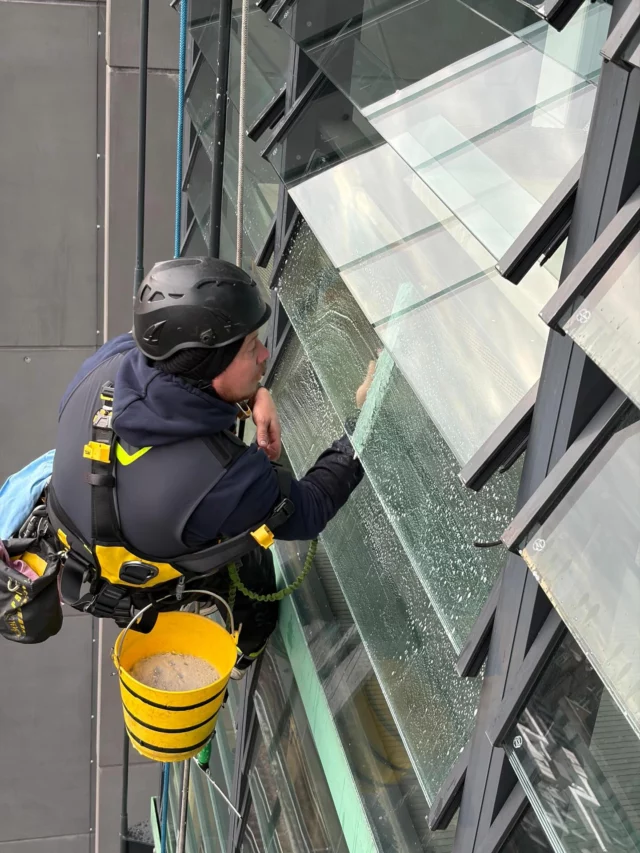
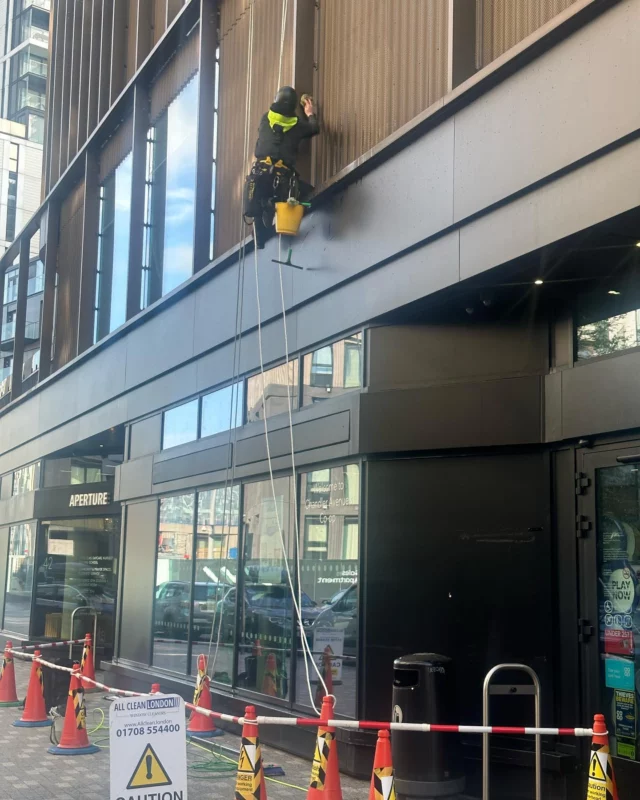
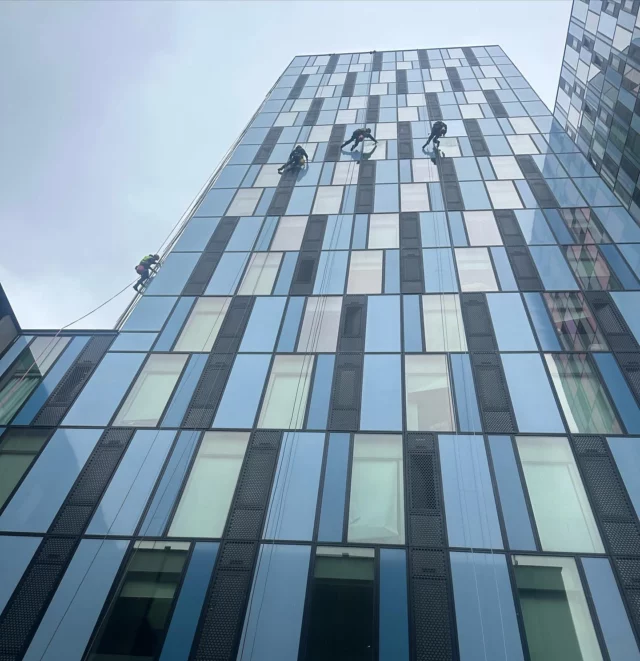
Window cleaning is one of the most common services to fall into this category. Contracts for apartment blocks usually run for two or three years, they recur on a fixed schedule, and high-rise blocks that need abseil or cradle access can easily push an individual leaseholder’s share over £100. Below we explain how the rules work, how the consultation runs, and what managing agents can do when tendering window cleaning so the process goes smoothly.
What is a qualifying long-term agreement?
A qualifying long-term agreement is a contract a landlord enters into for more than 12 months, where leaseholders pay for the services through their service charges. Government and Lease Advice guidance lists cleaning contracts as a typical example, and window cleaning contracts are specifically recognised as a type of QLTA.
The rules apply to anyone who demands a service charge from leaseholders. That includes freeholders, landlords of intermediate leases, Resident Management Companies (RMCs) and Right to Manage (RTM) companies. Consultation is required whether the contract is new or a renewal.
When does a window cleaning contract trigger Section 20?
Two tests must both be met:
- Length: The contract is for a term of more than 12 months.
- Cost: any single leaseholder will contribute more than £100 towards it in any one accounting period.
The second test is the one that catches people out. It is based on the leaseholder who pays the most, not the average. Many leases split service charges by floor area or a fixed percentage, so the larger flats and penthouses can cross the £100 line even when the average flat doesn’t.
| Detail | Figure |
|---|---|
| Block size | 80 flats |
| Annual window cleaning contract (quarterly external cleans, abseil access) | £7,200 including VAT |
| Contract term | 3 years |
| Average share per flat (equal split) | £90 a year |
| Penthouse share under the lease (2.5%) | £180 a year |
| Is Section 20 consultation needed? | Yes. The contract is longer than 12 months and at least one leaseholder pays more than £100 a year. |
Work on VAT-inclusive figures, since that is what leaseholders actually pay. If you are close to the threshold, assume consultation applies.
What about 12-month or rolling contracts?
A contract for 12 months or less is not a QLTA. Rolling or open-ended contracts are less clear because whether they count depends on how the term and notice periods are written. If you are relying on a short or rolling contract to stay outside Section 20, get the wording checked. Splitting one service into several smaller contracts to avoid the threshold is not permitted.
The Section 20 consultation process, step by step
For most private blocks, the process is set out in Schedule 1 of the Service Charges (Consultation Requirements) (England) Regulations 2003. It runs in stages:
- Notice of intention. The landlord writes to every leaseholder (and any recognised tenants’ association) describing the window cleaning services, explaining why a long-term contract is needed, and inviting written observations and contractor nominations. Leaseholders have at least 30 days to respond.
- Obtain estimates. The landlord must have regard to any observations and seek an estimate from a contractor nominated by leaseholders. At least one estimate must come from a contractor wholly unconnected with the landlord.
- Notice of proposals. The landlord prepares at least two proposals, makes them available for inspection, and invites observations for a further 30 days.
- Consider the responses. The landlord must have regard to the observations received on the proposals.
- Award the contract. If the contract goes to a nominated contractor or the lowest estimate, no further notice is needed. Otherwise, the landlord must write to leaseholders within 21 days of signing, explaining the reasons for the choice.
Where public notice is required (generally for larger public sector contracts), a different schedule applies, and leaseholders can’t nominate a contractor.
How long does it take?
The two consultation periods alone add up to at least 60 days. Add time to write the specification, arrange site surveys and gather quotes, and a realistic timeline is three to four months from start to contract award. If your current window cleaning contract expires in the spring, start in the autumn or early winter.
What happens if consultation is skipped?
If a landlord enters a QLTA without consulting properly, they can only recover £100 per leaseholder per accounting period towards it. Any shortfall has to be covered elsewhere, which for an RMC or RTM company can mean the directors’ own budget.
The landlord can apply to the First-tier Tribunal (Property Chamber) for dispensation from the consultation requirements. Dispensation is not automatic; the application takes time and money, and the tribunal will look at whether leaseholders were prejudiced by the failure to consult. It is far cheaper to consult properly in the first place.
How to tender a window cleaning contract that stands up to Section 20
Most problems in Section 20 consultations come from vague specifications and quotes that can’t be compared. These steps make the process easier for you and clearer for leaseholders.
Write a clear specification
Every contractor should price the same job. Set out:
- Which elevations and glazing are included: external windows, communal glazing, balcony balustrades, atriums, skylights and entrance canopies.
- Whether internal communal glass is included.
- Cleaning frequency for each area (for example, external windows quarterly and entrance glazing monthly).
- Known access arrangements, such as a roof-mounted BMU, roof anchor points or ground conditions for a cherry picker.
- Working hours, resident notification and any restrictions on noise or parking.
- The reporting you expect after each clean.
Ask for itemised pricing
Request a price per clean and an annual total, broken down by building or core on multi-block estates. Itemised quotes make it straightforward to calculate each leaseholder’s share, check the £100 threshold, and show leaseholders that they are comparing like with like.
Set compliance requirements at the start
State your minimum requirements in the notice of intention and specification, so any nominated contractor knows what they must meet. Typical requirements include public liability insurance, risk assessments and method statements (RAMS), recognised health and safety accreditation, and appropriately trained operatives for the access method, such as IRATA for rope access or IPAF for powered access platforms. Setting the bar up front avoids disputes later about why a nominated contractor wasn’t appointed.
Confirm who looks after access equipment
On blocks that need abseil access, check the roof anchors and eyebolts have in-date test certificates before the contract starts, and agree who is responsible for testing them during the contract. Out-of-date certificates are a common reason high-level cleans get delayed.
Choose the contract length deliberately
A longer contract usually gives price stability and a consistent team on site, but it brings the contract within Section 20. A contract of 12 months or less avoids consultation but means re-tendering every year. For most blocks with a reliable contractor, running one consultation for a two or three-year contract is the more efficient option.
Keep good records
Leaseholders are entitled to ask for information about the services they pay for, and new rules (see below) will widen that right. Keep the specification, quotes, consultation notices, observations and your reasons for the final choice on file, along with evidence that each clean was carried out.
Section 20 is changing: what we know so far
The £100 and £250 thresholds have not changed since 2003. In July 2025 the government consulted on reforms, including raising the QLTA threshold from £100 to £300 per leaseholder per year and the major works threshold from £250 to £600.
On 15 July 2026 the government published its response on the service charge transparency measures. These include a new annual report for leaseholders, a standardised service charge demand form with a budget, and a right to request information going back six years, with changes expected from 2027.
The government said it will respond separately to the Section 20 reforms, so the current £100 and £250 thresholds still apply until new regulations are made.
For managing agents, the practical effect is that window cleaning costs will be more visible to leaseholders in budgets and reports, and records of what was cleaned and when will matter more than ever.
How All Clean London supports managing agents
All Clean London has provided commercial window cleaning across London since 1979, and residential blocks make up a large part of our work, from Greenwich Peninsula to Canary Wharf. When you are running a Section 20 consultation, we can help by providing:
- Site surveys and itemised, tender-ready quotes broken down by building, area and frequency.
- Insurance documents, RAMS and method statements to include in your tender pack.
- Accredited teams: ISO 9001, 14001 and 45001, CHAS, SafeContractor, and IRATA, IPAF and PASMA trained operatives.
- Facade 360+, our scheduling and reporting platform, which gives you a digital record of every clean for your files and for leaseholder queries.
See our apartment block window cleaning service, read our residential case studies, or request a tender-ready quote.
Is window cleaning a qualifying long-term agreement?
It can be. A window cleaning contract is a QLTA if it runs for more than 12 months and any one leaseholder pays more than £100 a year towards it through the service charge. If both apply, the landlord must carry out Section 20 consultation before signing.
Does Section 20 apply to a 12-month window cleaning contract?
No. A QLTA must be for a term of more than 12 months, so a contract of 12 months or less is not caught. Rolling contracts depend on their wording, so check them before relying on this.
Does Section 20 apply to office buildings?
No. Section 20 protects residential leaseholders who pay variable service charges. Window cleaning contracts for offices and other commercial buildings are governed by the lease terms instead.
Can leaseholders nominate their own window cleaning contractor?
Yes, in most private blocks. The notice of intention invites leaseholders to nominate a contractor, and the landlord must seek an estimate from a nominated contractor. The nominated contractor still has to meet the requirements in the specification.
What happens if the landlord doesn't consult?
The landlord can only recover £100 per leaseholder per year towards the contract, unless the First-tier Tribunal grants dispensation from the consultation requirements.
Does Section 20 apply to RMC and RTM companies?
Yes. Resident Management Companies and Right to Manage companies demand service charges, so they must follow the same consultation rules as any other landlord.
Are the Section 20 thresholds changing?
This article is general guidance on the rules in England and is not legal advice. Wales has its own regulations. If you are unsure whether a contract needs consultation, speak to a property solicitor or your professional body.