When it comes to maintaining commercial buildings in the UK, safety and compliance must always come first. For properties that rely on rope access, abseiling or window cleaning at height, eyebolts are a vital anchor point that protect workers while essential maintenance is carried out.
For facilities managers, landlords and building owners, understanding how often eyebolts need to be tested, what the current UK compliance standards are, and the cost of regular inspections is essential to avoiding safety risks and staying compliant with safety regulations.
In this complete guide, we’ll cover everything you need to know about eyebolt testing in commercial buildings, from UK compliance requirements to what’s involved in the process and how much it typically costs.
What is Eyebolt Testing?
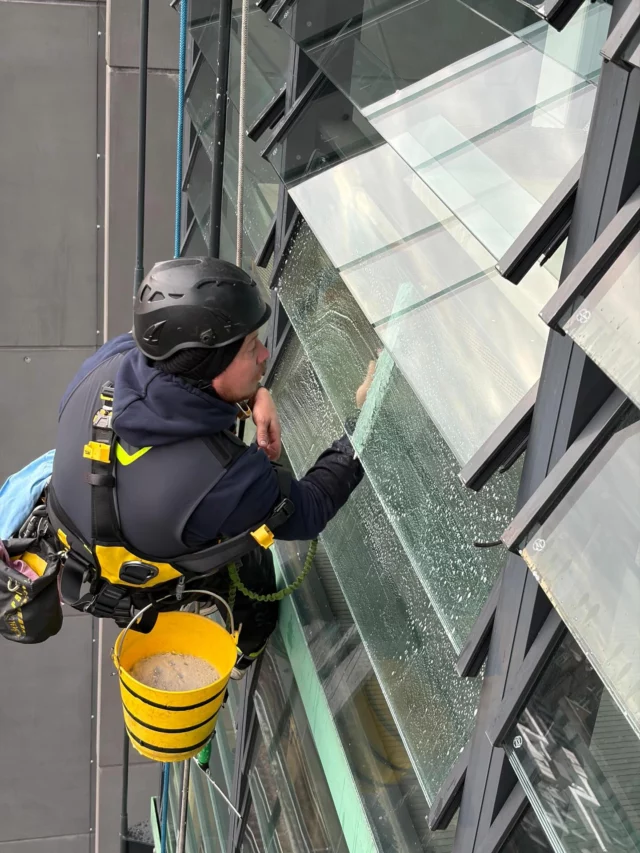
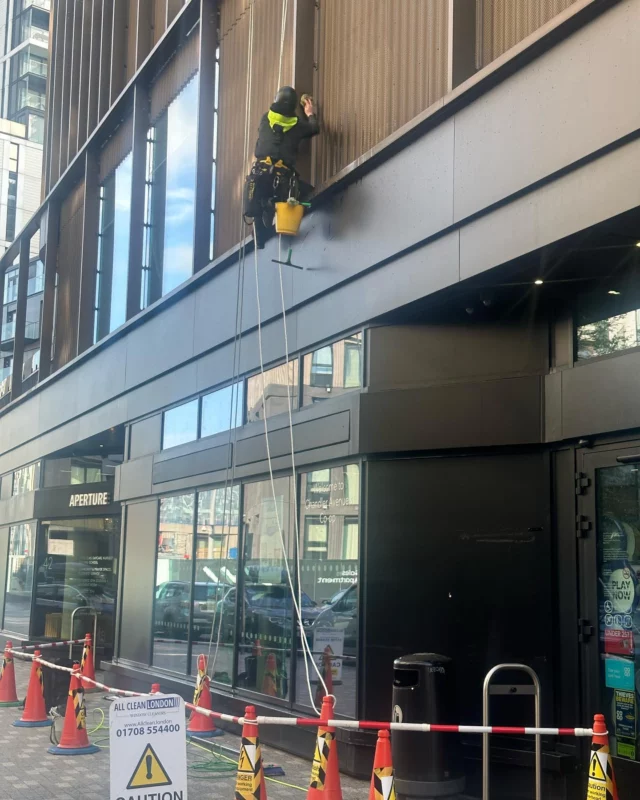
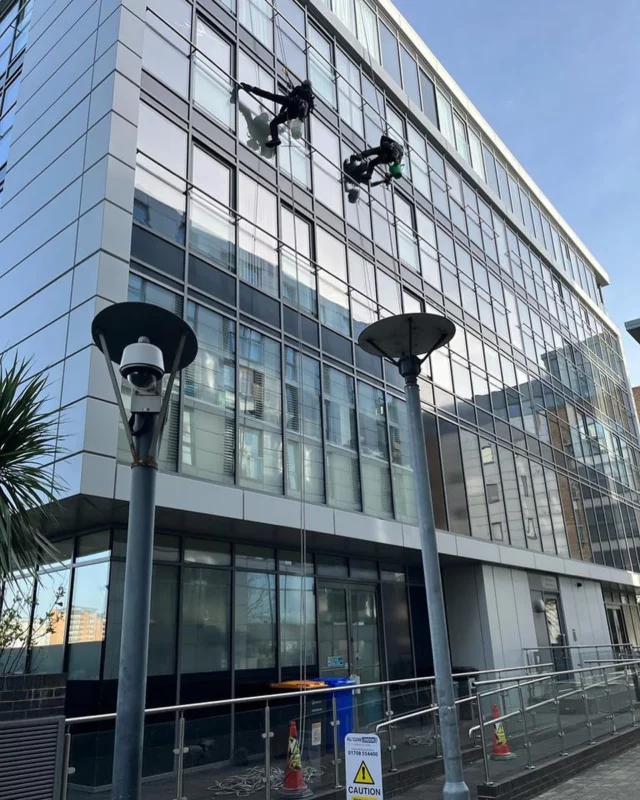
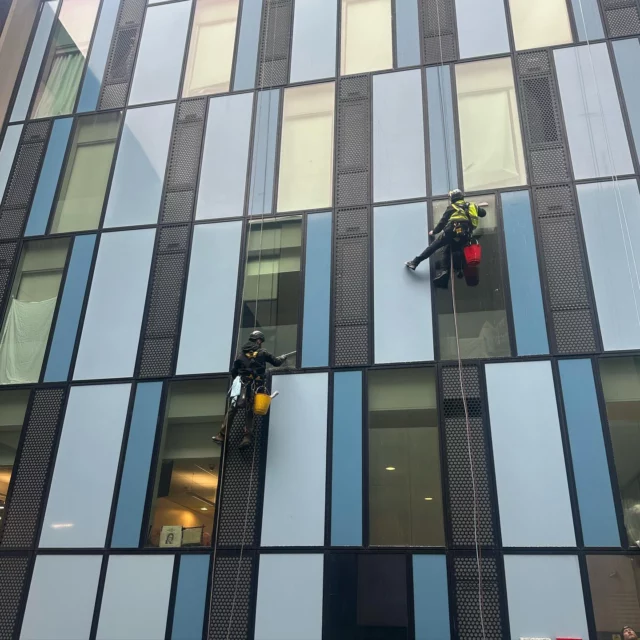
Eyebolts are fixed anchor points that allow workers to attach safety harnesses, ropes or other equipment when carrying out tasks at height. They are commonly used in commercial buildings for window cleaning, rope access maintenance, abseiling and fall arrest systems.
Eyebolt testing is the process of verifying that these anchor points remain secure, fit for purpose, and capable of safely bearing the loads for which they were designed.
What Happens During an Eyebolt Test?
A typical test will include the following:
- Visual inspection: checking for signs of wear, corrosion, loose fittings or damage.
- Load testing: applying a controlled force to confirm that the eyebolt can safely hold the required weight.
- Installation check: confirming the eyebolt is securely fixed into a suitable structure and meets the required standards.
Together, these checks ensure that each eyebolt is safe to use, fully compliant with UK regulations and ready to protect workers carrying out tasks at height. When you choose All Clean London, we can provide you with certification and labelling, allowing facilities managers to track inspection dates easily.

Eyebolt Testing Requirements in the UK
In the UK, eyebolt testing is regulated under health and safety law to ensure safe working at height. Guidance from the HSE, along with regulations such as PUWER 1998 and standards like BS 7883:2019, makes it clear that anchor devices must be properly installed, regularly inspected, and certified by a qualified inspector.
For facilities managers and building owners, this means taking responsibility for scheduling inspections, keeping records up to date, and ensuring your building remains compliant at all times.
How Often Should Eyebolts Be Tested?
UK regulations state that eyebolts used for fall protection must be inspected at regular intervals to ensure they remain safe and fit for purpose. The frequency depends on how the anchor point is being used:
- Every 6 months – for eyebolts used in fall arrest or rope access activities (for example, window cleaning or abseiling)
- Every 12 months – for eyebolts used in restraint systems or other purposes where the risk of a fall is lower.
These inspections must be conducted by a qualified inspector who can provide certification and maintain accurate records.
Failing to carry out tests within the required timeframes can put facilities managers and building owners at risk of non-compliance, legal consequences and difficulties with insurance claims.
Staying on top of inspections helps you avoid these risks while giving you confidence that your building is safe for workers at all times.
How Much Does Eyebolt Testing Cost?
The cost of eyebolt testing is usually charged per eyebolt, with prices in the UK typically ranging from £30 to £60+ per eyebolt for a single inspection.
Costs may be higher depending on the company, the site’s complexity, and the number of eyebolts tested. The factors that influence the cost include:
- Number of eyebolts: bulk testing will reduce the cost per unit.
- Accessibility: eyebolts in hard-to-reach areas can take longer to test
- Testing frequency: inspections are required every 6-12 months, depending on usage, making this a recurring but essential cost.
While DIY testing equipment can be hired for around £70 per day, only professional eyebolt testing provides certification and documentation that will satisfy compliance requirements, making it the smarter long-term investment.
Why Eyebolt Testing is Crucial For Commercial Buildings in London
London’s skyline is full of office towers, retail centres and high-rise residential blocks where rope access and abseiling are a common part of everyday maintenance.
From window cleaning to facade repairs, safe and reliable anchor points are essential for the contractors who keep these buildings in good condition.
For facility managers and landlords, this makes regular eyebolt testing more than just a box-ticking exercise. Certified inspections help to:
- Keep contractors safe while working at height.
- Demonstrate compliance during audits, insurance claims or health & safety checks.
- Reduce the risk of accidents, liability claims and costly project delays.
- Protect the reputation of your building.
With thousands of contractors working at height in the capital every day, facility managers in London face a greater responsibility than most to keep anchor systems fully certified and up to date.

Book Professional Eyebolt Testing for Your Property
If your building requires eyebolt testing, it’s essential to work with a qualified, professional service that can provide certification, records and ongoing support.
At All Clean London, we carry out installation, testing and maintenance of eyebolts across commercial buildings in London. Our team ensures every anchor point is inspected, labelled and certified to the latest UK standards.
Contact us today to schedule your eyebolt inspection and ensure your property remains compliant, safe, and ready for work at height.