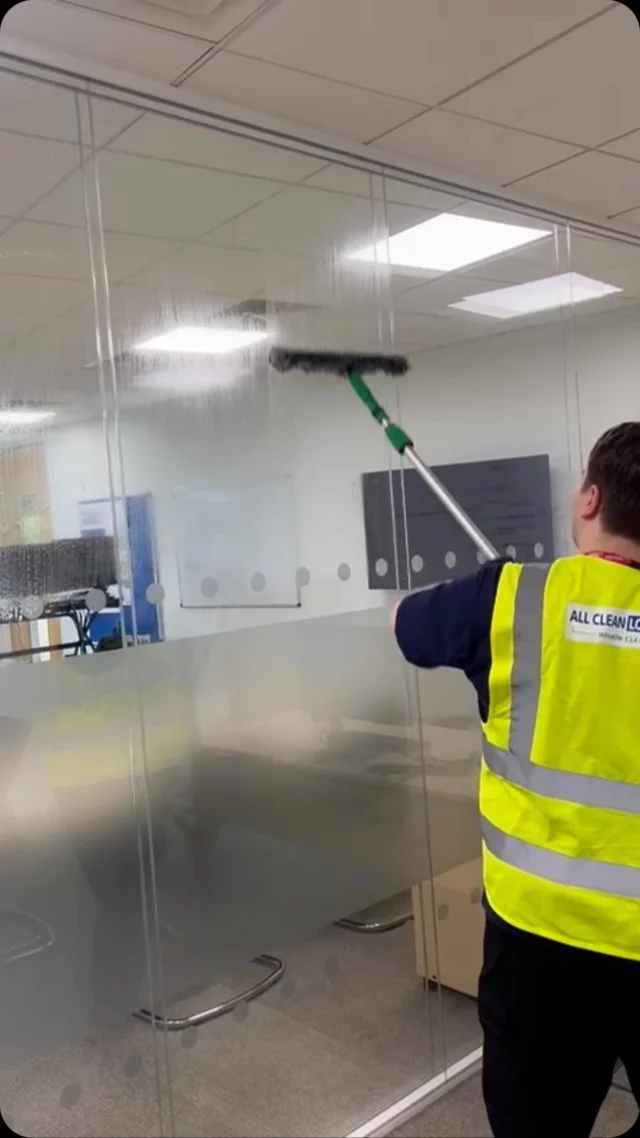
Window sills can sometimes be left when it comes to regular cleaning, but they can be a hotspot for mould growth, especially in proper ventilated homes.
Mould on window frames and sills can cause health issues and damage your windows over time.
At All Clean London, we’ve been helping property managers maintain clean & safe windows since 1979.
We’re here to explain why mould forms on windows, how to remove it safely, and how to prevent mould from coming back.
Why Does Mould Appear on Windows?
Mould thrive in damp & dark environments and windows often provide the perfect conditions.
Small gaps of moisture can form where both indoor and outdoor temperatures meet, especially during colder months, creating a breeding ground for black mould.
If the mould and condensation is left untreated, it can seep into the wood, paint and silicone seals, slowly degrading your window frames and even spreading to surrounding walls.
There are several factors that can contribute to mould growth on window sills.
- Poor ventilation in rooms that don’t get enough airflow traps moisture, creating an environment where mould spores can spread.
This is usually seen in bathrooms without extractor fans or rooms where windows are rarely opened. Even small changes like opening windows or using trickle vents, can make a big difference.
- Leaking windows or frames, where tiny gaps or deteriorating seals might not seem like a problem at first, but they allow water to creep in every time it rains.
Over time, this moisture stays on sills and creates a persistent environment for mould to grow.
- Cold spots on sills where they’re often cooler than the surrounding walls, particularly in older homes or poorly insulated buildings.
These cold surfaces encourage condensation to form more quickly than in other areas, providing an ideal home for mould spores.
- High humidity from cooking, showering, or even drying laundry indoors raise the moisture levels in your home.
Rooms with lots of plants or limited sunlight are particularly susceptible to elevated humidity, increasing the risk of mould growth.
If left unchecked, mould can impact your windows’ structural integrity, cause paint to peel, and even lead to more extensive wall damage. Early intervention is essential to protect the health of your household or tenants.

What are the Health Risks of Mould?
Many people don’t realise that even a small patch of mould can release spores into the air. These spores cannot be seen by the naked eye, which means you may be breathing them in long before you notice visible mould growth.
For most people, exposure to mould spores is irritating, but for some it can be genuinely harmful. Common symptoms may include:
- Allergic reactions where you have sneezing, itchy or watery eyes, runny noses, and skin irritation. If you or someone in your household already suffers from allergies, these reactions may be more severe.
- Respiratory issues, so people with asthma, COPD, or other lung conditions can experience worse symptoms when exposed to mould.
Prolonged exposure may even increase the risk of respiratory infections in otherwise healthy individuals. - General discomfort, as mouldy environments can feel musty, damp, and unpleasant to be in, which can affect comfort and quality of life.
For households with children, elderly family members, or anyone with a weakened immune system, mould exposure is an even greater concern and should be addressed immediately.
What are Effective Methods to Remove Mould?
There are several ways to tackle mould on window sills safely and effectively. Always wear gloves, a face mask and open all the windows to avoid inhaling spores.
1. White Vinegar
White vinegar is one of the simplest and most effective home remedies. Its acidity helps kill the layers of the mould rather than just bleaching the surface.
To use it, spray or dab vinegar directly onto the mouldy area and let it sit for at least 30 minutes. This soaking time allows the vinegar to break down the mould.
Scrub gently with a softer brush or sponge, then rinse with clean water and dry thoroughly. Drying prevents any leftover moisture letting the mould return.
2. Hydrogen Peroxide
For more stubborn stains, hydrogen peroxide is a powerful yet relatively safe option. A 3% solution works best.
Simply apply it directly to the mould, leave it for 10 to 15 minutes to fizz and penetrate the spores, then scrub and wipe clean.
Like with vinegar, make sure the area is completely dry afterwards. Hydrogen peroxide can also help remove that damp smell that is often paired with mould, leaving your home smelling fresher again.
3. Commercial Mould Removers
If you’re dealing with extensive mould growth or patches that keep coming back, a specialist mould remover may be necessary.
These are designed to remove tougher infestations and often work more quickly than homemade cleaners.
Always read and follow the instructions carefully, and test the product on a small hidden patch first to ensure it won’t damage paint, varnish, or finishes.
Mould Cleaning Tips
If your window sills are wooden, avoid harsh scrubbing or overly wet cleaning, as this can damage the wood fibres and encourage future mould.
PVC and aluminium sills are generally more durable but can still discolour if strong chemicals are left on for too long. For painted surfaces, stick to softer cleaners and cloth to protect the layer of paint.
Use an old toothbrush, cotton buds and/or a vacuum attachment with a brush head to reach tight spots before cleaning the mould away.

Preventative Ways to Stop Mould Returning
Improve Ventilation
Open your windows regularly, even in the winter months, to let air circulate and reduce trapped humidity.
If your windows have trickle vents, keep them open to allow continuous airflow without needing to fully open the window.
In rooms prone to moisture (bathrooms, kitchens and where laundry is done), consider installing extractor fans or making sure your fan is being used every day.
Use Dehumidifiers
If you notice condensation forming often, especially in bedrooms or living rooms, a dehumidifier can make a big difference.
By pulling excess moisture from the air, these devices keep humidity at safer levels and stop mould from gaining a foothold. Even small, portable dehumidifiers can be effective in problem rooms.
Keep the Areas Dry
Regular maintenance doesn’t need to be complicated. Wiping with a dry cloth once / twice a week helps stop condensation from soaking further into the area.
If you spot condensation sliding down the glass, wipe it away before it can collect and sit at the base of your window.
Check for Leaks & Damaged Seals
Sometimes mould is caused not by condensation but by water seeping in from the outside. Check the sealant around your window frames for cracks or gaps, and look for signs of leaking joints.
Resealing or repairing these small issues early can prevent long-term damp problems and save you from expensive repairs later on.
Seasonal Changes
Mould prevention can look slightly different depending on the time of year. In winter, condensation is the main factor because of the contrast between indoor heating and cold outdoor air.
Keeping your home warm but ventilated helps reduce this effect. In summer, sudden heavy rain or high humidity can lead to dampness, so keeping an eye out for this is important.
For landlords and property managers, scheduling regular inspections across multiple units ensures that small problems don’t become costly repairs.

When to Hire a Mould Specialist?
Sometimes DIY methods aren’t enough. You should seek a professional team if:
- Mould persists despite repeated cleaning.
- Mould covers multiple sills or frames.
- You live in high-rise apartments or buildings where access is difficult.
All Clean London provides expert mould removal and window cleaning services, safely tackling even the most challenging locations.
Our teams are experienced in commercial properties, protecting your windows and surrounding areas while ensuring minimal disruption.
Our professional window cleaners recommend wiping window frames regularly and avoid placing plants directly on window sills, to reduce moisture buildup.
Property managers should consider mould checks in routine cleaning and consider regular window cleaning contracts. These simple steps help maintain spotless windows and create healthier, safer living spaces for everyone.
Commercial Mould Maintenance
Mould on window sills is highly common, but following the right techniques and preventative measures, it can be effectively controlled.
All Clean London provides commercial window deep cleaning services tailored to your needs. Contact us for a free quote and expert advice on keeping your windows and sills spotless.
If you want more guides on how to keep your windows clean, check out our posts on best window cleaning tools for high windows and how to clean rubber window seals.